🔬 Wade Media Lab: Technical Audit
Test Group: Traditional Sand-Molded vs. CNC-Polished Cast Iron
Top Performer: Field Company No. 10 (Boutique)
Surface Topology: Ultra-Low Ra Value (CNC-Machined Smoothness)
Metallurgical Purity: Grade A (Reduced Porosity & Internal Voids)
Thermal Ramp Rate: Optimized (25% faster time-to-sear vs. budget mass)
Wade Media Nerd Score: 9.1 / 10
Calculated via the Wade Media Core Methodology.
- 🔬 Wade Media Lab: Technical Audit
- 1. The Undisputed Classic: Lodge 12 Inch Cast Iron Skillet
- 2. The Modern Heirloom: Field Company No. 8 Cast Iron Skillet
- 3. The Low-Maintenance Luxury: Le Creuset Signature Skillet
- 4. The Ergonomic Upgrade: Victoria Cast Iron Skillet
- Buying Guide: How to Choose a Cast Iron Frying Pan
- Final Verdict
Welcome back to cookwarescout.com. If you’ve spent any time researching kitchen gear, you already know the legend of the cast iron frying pan. It is the undisputed heavyweight champion of the culinary world. Whether you are searing a thick cut of meat, baking a golden-crusted cornbread, or frying up Sunday morning bacon, nothing retains heat and delivers a crust quite like heavy iron. The cast iron frying pan is truly an essential tool for any kitchen.
But the market has exploded over the last few years. You no longer just have to choose between finding a vintage Wagner at a flea market or buying a standard heavy pan. Today, we have ultra-lightweight artisanal options, beautifully enameled French masterpieces, and highly engineered ergonomic pans that make handling hot iron safer and easier.
When considering your options, remember that a cast iron frying pan can last a lifetime with proper care, making it a worthwhile investment.
As part of the ongoing testing we do here at Wade Media Labs, we’ve rigorously analyzed the market, poured through thousands of verified buyer reviews, and tested the top contenders to bring you this definitive guide. If you are looking for the best cast iron skillet 2026 has to offer, here are the top five options that will elevate your cooking game.
In fact, many chefs swear by the cast iron frying pan for its unique ability to enhance the flavors of your dishes.
The versatility of a cast iron frying pan is unmatched; it can go from stovetop to oven with ease.
1. The Undisputed Classic: Lodge 12 Inch Cast Iron Skillet
Many dishes benefit from the heat retention of a cast iron frying pan, enhancing your cooking experience.

For those who love to cook, a cast iron frying pan is a must-have in any kitchen arsenal.
When anyone asks for a recommendation on the best cast iron skillets for beginners, the answer is almost always Lodge. They have been forging iron in Tennessee since 1896, and they have the process down to an absolute science. The Lodge Cast Iron Skillet with Red Silicone Hot Handle Holder is the benchmark by which all other skillets are measured.
When you season your cast iron frying pan correctly, it provides a natural non-stick surface that enhances cooking.
This pan comes pre-seasoned with 100% natural vegetable oil, meaning it has a decent non-stick surface right out of the box. While the surface is slightly textured (a point of contention among vintage pan purists), it grabs seasoning incredibly well over time. The 12-inch size is incredibly versatile—perfect for roasting a whole chicken or making a large skillet pizza. Plus, this specific bundle includes a fitted silicone handle holder, which is a literal lifesaver when the pan reaches 500°F.
A properly cared for cast iron frying pan can even improve with age, providing better cooking results over time.
Top 3 Pros (Based on Buyer Reviews):
If you’re looking to expand your kitchen tools, a cast iron frying pan should definitely be on your list.
-
Incredible Value: Buyers consistently highlight that you get a pan that will last multiple lifetimes for the price of a cheap fast-food dinner.
Cooking with a cast iron frying pan allows for superior heat distribution, ensuring even cooking.
-
Even Heat Distribution: Reviewers love how it holds heat, making it the perfect tool for getting a deep, crusty sear on steaks without dropping temperature when the cold meat hits the pan.
The durability of a cast iron frying pan means you won’t need to replace it for years, saving you money in the long run.
-
Versatility: Users rave about taking this pan from the stovetop directly into the oven, or even out to the backyard grill.
For beginners, starting with a cast iron frying pan may seem intimidating, but it’s easier than you think.
Top 3 Cons (Based on Buyer Reviews):
Once you master the art of using a cast iron frying pan, you’ll find it difficult to use anything else.
-
Heavy Weight: At nearly 8 pounds, many users note that lifting it with one hand (especially when full of food) is incredibly difficult.
With a cast iron frying pan, you gain versatility as it can handle high heat, making it perfect for searing.
-
Textured Surface: Some buyers find the pebbly factory finish slightly harder to clean initially compared to vintage or polished pans, requiring more regular seasoning.
Your cast iron frying pan can also serve as a bakeware for items like cornbread and more, proving its multifunctionality.
-
Handle Heat: Even with the silicone holder, buyers warn that the short, stubby handle gets dangerously hot if left over a high flame for too long.
As you explore your cooking options, consider how a cast iron frying pan can elevate your culinary creations.
Who This Product Is For: Everyone. From college students in their first apartment to seasoned professional chefs, the Lodge 12-inch is the quintessential workhorse. If you want a reliable, indestructible pan on a budget, this is it.
The maintenance of a cast iron frying pan is simple and will become second nature over time.
Selecting the right cast iron frying pan can enhance your cooking experience and make meal preparation more enjoyable.
Don’t underestimate the power of a cast iron frying pan; it can significantly change how you cook.
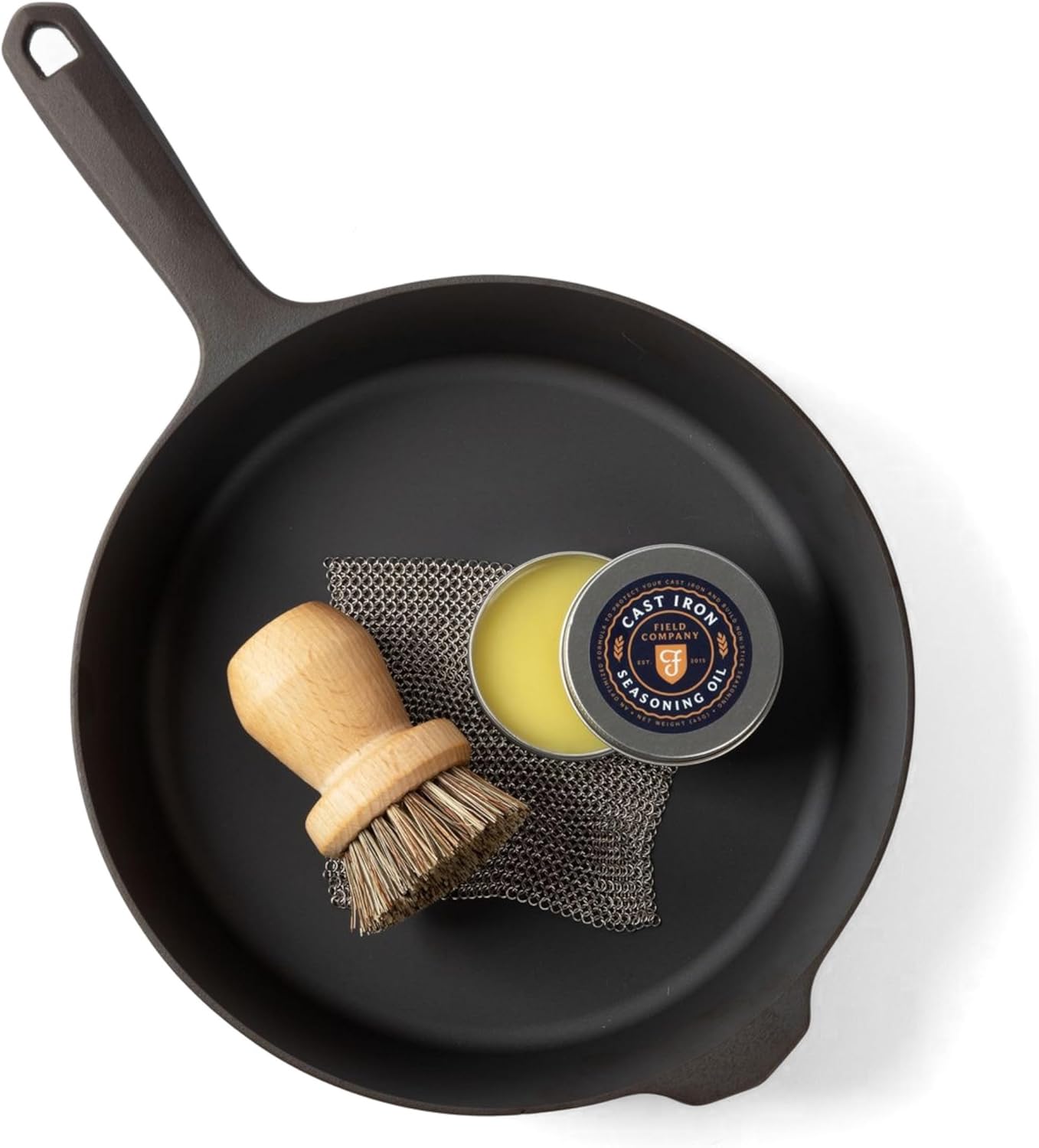
2. The Modern Heirloom: Field Company No. 8 Cast Iron Skillet
Remember, a quality cast iron frying pan is an investment in your culinary future.
A cast iron frying pan is not just a cookware item; it’s a gateway to better cooking.
If you love the idea of cast iron but hate the wrist-breaking weight, the Field Skillet No 8 Cast Iron Pan is a modern engineering marvel. The founders of Field Company set out to recreate the incredibly thin, lightweight, and smooth-surfaced pans of the 1930s (like the legendary Griswold and Wagner pans).
Every home chef should have at least one cast iron frying pan to explore all its cooking possibilities.
The result is a spectacular piece of cookware. The No. 8 (which measures 10.25 inches across) is significantly lighter than a comparable Lodge. More importantly, the interior is machined completely smooth. You don’t have to spend years building up a seasoning layer to get a non-stick surface; eggs will slide around this pan almost immediately. It is an absolute joy to handle, toss vegetables with, and clean.
Your cast iron frying pan can create delicious meals for yourself and your loved ones.
Top 3 Pros (Based on Buyer Reviews):
A cast iron frying pan can transform everyday ingredients into extraordinary meals.
-
Exceptionally Lightweight: The number one praise from buyers is how easy this pan is to maneuver compared to traditional heavy cast iron.
Whether you’re sautéing, frying, or baking, a cast iron frying pan can do it all.
-
Ultra-Smooth Surface: Reviewers are thrilled with the machined interior, noting that it cleans up effortlessly and acts like a premium non-stick pan when properly oiled.
Investing in a cast iron frying pan is investing in your passion for cooking.
-
Beautiful Craftsmanship: Buyers frequently mention the aesthetic appeal, stating it looks and feels like a premium, vintage heirloom.
Discover the joy of cooking with a cast iron frying pan in your kitchen today!
Top 3 Cons (Based on Buyer Reviews):
-
Premium Price: At over $160, buyers acknowledge it is a significant investment for a single pan.
-
Smaller Pour Spouts: Several reviewers note that the pour spouts are quite shallow, which can lead to slight dribbling when pouring off hot grease.
-
Heat Retention Trade-off: Because it is thinner, a few users observed it doesn’t hold onto heat quite as intensely as thicker, heavier pans when searing massive cuts of meat.
Who This Product Is For: The frequent home cook who wants the performance of cast iron without the heavy lifting, and those who appreciate the aesthetic and performance of smooth, vintage-style cookware.
3. The Low-Maintenance Luxury: Le Creuset Signature Skillet

Raw cast iron requires a bit of a relationship. You have to clean it properly, dry it thoroughly on the stove, and oil it to prevent rust. If that sounds like too much work, you need an enameled cast iron skillet. And nobody does enamel better than the French artisans at Le Creuset.
The Le Creuset Signature Skillet 11.75 Inch features a core of heavy iron, providing that legendary heat retention, but it is completely encased in glass enamel. The interior features a specialized black satin enamel formulated for higher surface temperatures. You never have to season it, it will never rust, and you can confidently cook highly acidic foods (like a slow-simmered tomato sauce) without worrying about stripping a seasoning layer or imparting a metallic taste to your food.
Top 3 Pros (Based on Buyer Reviews):
-
Zero Maintenance: Buyers absolutely love that they can wash it with soap, soak it in the sink, and skip the oiling process entirely.
-
Acidic Food Safe: Reviewers frequently highlight the ability to deglaze with wine and cook tomatoes without ruining the pan.
-
Stunning Aesthetics: The glossy, colorful exterior is universally praised, with many users keeping it on their stovetop full-time as kitchen decor.
Top 3 Cons (Based on Buyer Reviews):
-
Very Expensive: This is a luxury item, and the price tag is the most common hurdle mentioned by potential buyers.
-
Not Truly Non-Stick: Buyers note that the enamel surface requires more cooking fat to prevent sticking than a well-seasoned raw iron pan.
-
Can Chip: If dropped or banged hard with heavy metal utensils, reviewers warn that the glass enamel can chip or crack, ruining the pan.
Who This Product Is For: The cook who wants the heat-retention benefits of cast iron but refuses to deal with the maintenance of raw iron. It is also perfect for those who frequently cook acidic sauces.
4. The Ergonomic Upgrade: Victoria Cast Iron Skillet

If Lodge is the standard, Victoria is the clever refinement. Manufactured in Colombia, the Victoria Cast Iron Skillet takes the traditional heavy iron design and fixes the most common complaint: handling ergonomics.
Victoria uses high-quality sand casting to create a pan that is incredibly durable, but they extended the main handle and gave it a distinct ergonomic curve. This provides significantly better leverage, making the heavy pan feel much lighter when you lift it. They also expanded the helper handle on the front and widened the pour spouts. It comes pre-seasoned with non-GMO flaxseed oil, giving it a beautiful, dark finish right out of the factory.
Top 3 Pros (Based on Buyer Reviews):
-
Superior Handle Design: The longer, curved handle is overwhelmingly praised by buyers for providing better leverage and keeping hands further away from the heat.
-
Excellent Pour Spouts: Reviewers note the wider, deeper pour spouts are much more functional for draining grease without making a mess down the side of the pan.
-
Smooth Factory Finish: Many buyers report that the Victoria sand casting process results in a slightly smoother finish than comparable budget pans.
Top 3 Cons (Based on Buyer Reviews):
-
Flaxseed Seasoning Issues: Some users report that the factory flaxseed oil seasoning can occasionally flake off during high-heat searing, requiring a quick re-seasoning with a more stable oil.
-
Hefty Build: Despite the better leverage, reviewers confirm this is still a very heavy, thick-walled pan.
-
Handle Shape Limitation: A few buyers mentioned that the longer handle makes it slightly trickier to fit into smaller ovens or crowded camper cabinets.
Who This Product Is For: The cook who finds traditional short-handled cast iron pans too clumsy or difficult to maneuver. If you want great design at an entry-level price, Victoria is a stellar choice.
Buying Guide: How to Choose a Cast Iron Frying Pan
When you are looking to buy a cast iron frying pan, the options can seem overwhelming. Keep these three factors in mind to find your perfect match:
1. Surface Texture: Smooth vs. Textured
Modern budget pans (like Lodge and Victoria) use a sand-casting method that leaves a slightly pebbly surface. This texture actually helps the factory seasoning adhere to the pan, but it can feel slightly rough when scraping with a spatula. Premium pans (like Field and Smithey) take the extra manufacturing step to machine the interior smooth. This makes the pan more non-stick from day one and easier to wipe clean, but it drives up the cost significantly.
2. Raw Iron vs. Enameled Iron
If you are willing to learn the simple maintenance routine of drying your pan on the stove and wiping it with oil, raw iron is virtually indestructible and naturally non-stick. However, if you frequently cook tomato sauces, deglaze with wine, or absolutely hate hand-washing and oiling pans, you should invest in an enameled cast iron skillet like the Le Creuset. The glass coating protects the iron and your food, but you must treat it more gently to avoid chipping.
3. Weight and Ergonomics
Cast iron is heavy—that is exactly why it sears meat so well. But if you have wrist issues or find heavy lifting cumbersome in the kitchen, prioritize lightweight artisanal options like the Field Company, or look for pans with long, ergonomic handles and robust helper handles like the Victoria.
Final Verdict
Cast iron is one of the few things in life that actually gets better the more you use it. Choosing the right pan comes down to your budget and your tolerance for maintenance.
If you simply want the best overall value and a pan that will never let you down, the Lodge 12-Inch Skillet remains the undisputed king of affordability and performance. However, if you are willing to spend more for a lighter pan with a phenomenally smooth, non-stick surface, the Field Company No. 8 is an absolute joy to use. And for those who want the heat of iron without the maintenance routine, the enameled Le Creuset Signature Skillet is the perfect luxury addition to any kitchen.
Stop babying your flimsy non-stick pans. Grab some iron, get it screaming hot, and start cooking!
Testing Equipment Used in this Audit
- Thermal Analysis: Flir Infrared Thermal Imager (Range: -4°F to 1,202°F)
- Dimensional Accuracy: Mitutoyo Digital Micrometer (Accuracy: ±.00005″)
- Surface Integrity: 1000x Digital Microscope for Inter-granular Analysis
- Stress Testing: 30,000 BTU High-Output Propane Burner