Whether you’re a seasoned chef or a novice home cook, your choice of cookware can significantly influence your cooking experience and results. With the market flooded with options—ranging from non-stick to stainless steel, cast iron to ceramic—the task of finding the best pots and pans can be overwhelming.
In this comprehensive cookware review, we will break down the most popular types, their pros and cons, key brands, and what kind of cookware best suits different cooking needs and kitchen setups.
Why the Right Cookware Matters
Cookware is more than just a cooking vessel—it’s a tool that affects flavor, texture, and nutritional value. High-quality pots and pans distribute heat evenly, resist sticking or burning, and are durable enough to withstand years of use. On the flip side, cheap or inappropriate cookware can make cooking a frustrating chore and lead to poor results or even safety concerns.
Key factors to consider when choosing cookware:
Heat conductivity and retention
Reactivity with acidic foods
Weight and handling
Ease of cleaning
Durability and longevity
Compatibility with cooktops (induction, gas, electric)
Types of Cookware: Materials and Construction
1. Stainless Steel Cookware

Overview:
Stainless steel is a popular and reliable option in both home and professional kitchens. It’s non-reactive, durable, and often features an aluminum or copper core to improve heat distribution.
Pros:
Resistant to rust, corrosion, and staining
Oven-safe and dishwasher-friendly
Non-reactive with acidic foods
Very durable and scratch-resistant
Cons:
Poor heat conductivity on its own unless layered with aluminum/copper
Food may stick without oil or butter
Top Picks:
All-Clad D3/D5 Stainless Steel – Premium performance with a lifetime warranty
Cuisinart Multiclad Pro – Excellent mid-range option
Calphalon Classic Stainless Steel – Great for budget-conscious buyers
Best For: Searing, browning, sautéing, and preparing sauces
2. Non-Stick Cookware

Overview:
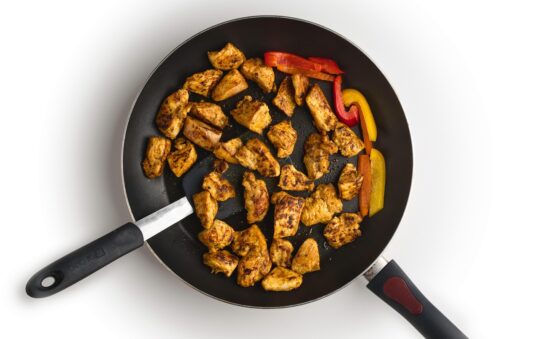
Non-stick pans are ideal for low-fat cooking and easy cleanup. They’re usually coated with Teflon (PTFE) or newer ceramic-based coatings.
Pros:
Extremely easy to clean
Requires little to no oil
Lightweight and easy to handle
Ideal for delicate foods (eggs, pancakes)
Cons:
Coating can wear or scratch over time
Typically not dishwasher-safe or metal-utensil-friendly
Some concerns over older Teflon coatings (modern ones are PFOA-free)
Top Picks:
T-fal Ultimate Hard Anodized Nonstick – Affordable and durable
Caraway Ceramic Nonstick Set – Stylish and eco-friendly
Ninja Foodi NeverStick – High durability with a 10-year warranty
Best For: Eggs, crepes, fish, and foods that tend to stick
3. Cast Iron Cookware

Overview:
Cast iron is beloved for its incredible heat retention and versatility. It requires seasoning but lasts generations when properly cared for.
Pros:
Excellent heat retention and even cooking
Extremely durable—can last a lifetime
Can go from stovetop to oven
Great for high-heat searing and baking
Cons:
Heavy and requires maintenance (seasoning)
Prone to rust if not properly dried
Not ideal for cooking acidic foods
Top Picks:
Lodge Pre-Seasoned Cast Iron Skillet – Budget-friendly and reliable
Le Creuset Enameled Cast Iron – Luxury, enameled, and low-maintenance
Staub Cast Iron Cookware – High-end with excellent performance
Best For: Steaks, cornbread, fried chicken, stews, and baking
4. Enameled Cast Iron

Overview:
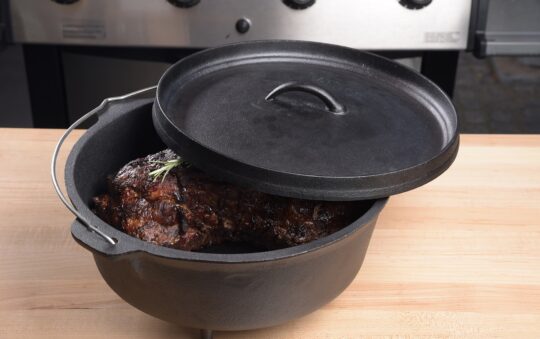
A more modern take on traditional cast iron, enameled cast iron combines durability with ease of use and beauty. It doesn’t require seasoning.
Pros:
Non-reactive and doesn’t require seasoning
Holds heat exceptionally well
Works on all cooktops including induction
Elegant appearance and available in many colors
Cons:
Very heavy
Can chip if dropped
More expensive than traditional cast iron
Top Picks:
Le Creuset Dutch Ovens – Industry gold standard
Staub Cocottes – Excellent heat distribution with durable enamel
Crockpot Artisan Dutch Oven – Affordable and stylish
Best For: Braising, roasting, soups, baking bread
5. Copper Cookware

Overview:
Copper is revered for its rapid, precise heating and elegant aesthetics. Usually lined with stainless steel to prevent reactivity with foods.
Pros:
Superb heat conductivity and responsiveness
Elegant and timeless appearance
Often handcrafted and built to last
Cons:
High maintenance (requires polishing)
Expensive
Not dishwasher-safe
Top Picks:
Mauviel M’Heritage Series – Premium French craftsmanship
Lagostina Martellata – Stylish and affordable hybrid
Hestan CopperBond – Modern design with induction compatibility
Best For: Precise cooking (sauces, candy making), presentation
6. Ceramic Cookware

Overview:
Ceramic cookware refers to pots and pans coated with a ceramic glaze. It’s popular as a more eco-friendly non-stick alternative.
Pros:
Non-stick without synthetic chemicals
Lightweight and stylish
Often more affordable
Easy to clean
Cons:
Less durable than other materials
Coating can degrade over time
Heat distribution not as efficient as metal
Top Picks:
GreenPan Valencia Pro – Induction-safe and toxin-free
Caraway Cookware Set – Beautiful and popular among modern home chefs
Best For: Low to medium heat cooking, eggs, stir-frying
Cookware Set vs. Individual Pieces: What’s Better?
Buying a Set:
Best for new kitchens or total replacements
Often includes essentials like saucepans, stock pots, and frying pans
Cost-effective compared to buying each piece separately
Buying Individual Pieces:
Allows more flexibility based on specific cooking styles
Ideal for adding high-quality specialty items (e.g., a cast iron skillet or a Dutch oven)
Prevents accumulating unnecessary duplicates
Our Recommendation:
Start with a few high-quality individual pieces and build your collection based on your needs. For example, a stainless steel skillet, a non-stick frying pan, and a Dutch oven form a versatile foundation.
Top Cookware Brands Worth Considering
| Brand | Strengths | Best Known For |
|---|---|---|
| All-Clad | Premium construction and performance | Stainless steel cookware |
| Le Creuset | Luxury and durability | Dutch ovens and enameled cast iron |
| Calphalon | Quality and affordability | Non-stick and stainless steel cookware |
| T-fal | Budget-friendly with good non-stick | Everyday cookware sets |
| GreenPan | Eco-conscious and stylish | Ceramic non-stick |
| Lodge | Timeless and affordable cast iron | Cast iron skillets and griddles |
| Caraway | Aesthetic, healthy cooking | Ceramic-coated non-stick sets |
Best Cookware for Different Cooking Needs
1. For Beginners
2. For Health-Conscious Cooks
3. For Serious Home Cooks
Superior control, long-lasting construction
4. For Budget Shoppers
Outstanding value without sacrificing performance
5. For Induction Cooktops
Care and Maintenance Tips
Avoid metal utensils on non-stick and ceramic surfaces
Hand-wash whenever possible to preserve coatings and finish
Dry cast iron immediately after washing to prevent rust
Use mild detergents to avoid damaging finishes
Store cookware carefully—stack with protectors to prevent scratches
Is Expensive Cookware Worth It?
Not always. While brands like All-Clad and Le Creuset offer unmatched performance and durability, budget-friendly brands like Lodge or T-fal also provide excellent value. The key is to assess your cooking style, frequency, and budget.
Daily cooks: Invest in a few premium pieces
Occasional cooks: Look for good mid-range sets
Aesthetic buyers: Choose ceramic-coated or enameled options for style and function
Final Verdict: Our Top Picks by Category
| Category | Winner | Why We Love It |
|---|---|---|
| Best Overall | All-Clad D3 Stainless Steel Set | Professional-grade, durable, versatile |
| Best Budget Set | T-fal Ultimate Nonstick | Affordable, easy to clean, long-lasting |
| Best Cast Iron | Lodge 12” Skillet | Classic, durable, incredible value |
| Best Dutch Oven | Le Creuset 4.5 Qt | Iconic, gorgeous, unmatched performance |
| Best Ceramic Set | Caraway Cookware Set | Stylish, safe, and non-toxic |
| Best for Induction | GreenPan Valencia Pro | Ceramic non-stick, induction ready |
Conclusion
The right cookware can transform your kitchen and elevate your cooking from ordinary to extraordinary. Whether you’re searing the perfect steak, simmering a hearty stew, or making the fluffiest scrambled eggs, investing in quality pots and pans makes all the difference.
By understanding the types, materials, and brands available, you can create a cookware lineup that not only suits your needs but also brings joy to every meal you prepare.
Take your time, start with essentials, and build up with confidence—you’ll be glad you did.