If you spend enough time reading recipes, watching culinary tutorials, or outfitting a new kitchen, you will inevitably run into a frustrating wall of kitchen jargon. One recipe tells you to “heat oil in a large skillet,” while the next tells you to “sear the chicken in a heavy-bottomed frying pan.”
Understanding what is the difference between a frying pan and a skillet can elevate your cooking skills.
You stare at your cookware cabinet, completely paralyzed. Which one is which? Do you need to go back to the store?
Recently, while we were filming the first batch of videos for the new Wade Media Labs YouTube channel, our production assistant asked me this exact question. I was pulling gear out of the back of my car, prepping the camp stove for an outdoor cooking segment, and I handed him a piece of cast iron. He looked at it and said, “Wait, is this the skillet or the frying pan?”
So, what is the difference between a frying pan and a skillet? Let’s explore this common confusion.
It is the most common point of confusion in the culinary world. And as the lead reviewer here at Cookware Scout, it is my job to set the record straight.
Today, we are taking a deep dive into the history, the anatomy, and the modern usage of these two terms. We will explore what the difference is between a frying pan and a skillet, look at the culinary science behind their shapes, and I will review the absolute best options in both categories that you can buy right now.
In this article, we will clarify what is the difference between a frying pan and a skillet and why it matters.
Understanding What is the difference between a frying pan and a skillet
The Big Reveal: Is There Actually a Difference?
Let’s cut right to the chase, rip the band-aid off, and save you some immediate stress: Technically and anatomically speaking, there is zero difference between a frying pan and a skillet. Yes, you read that correctly. They are the exact same shape, designed for the exact same cooking techniques, and the terms can be used interchangeably in almost every recipe ever written.
People often wonder, what is the difference between a frying pan and a skillet? The terms are often used interchangeably.
If they are the same thing, why do we have two different words that cause so much confusion? The answer lies in linguistics, history, and modern marketing.
A Tale of Two Languages
The English language is famously a mashup of older languages, and our kitchen terminology reflects that.
-
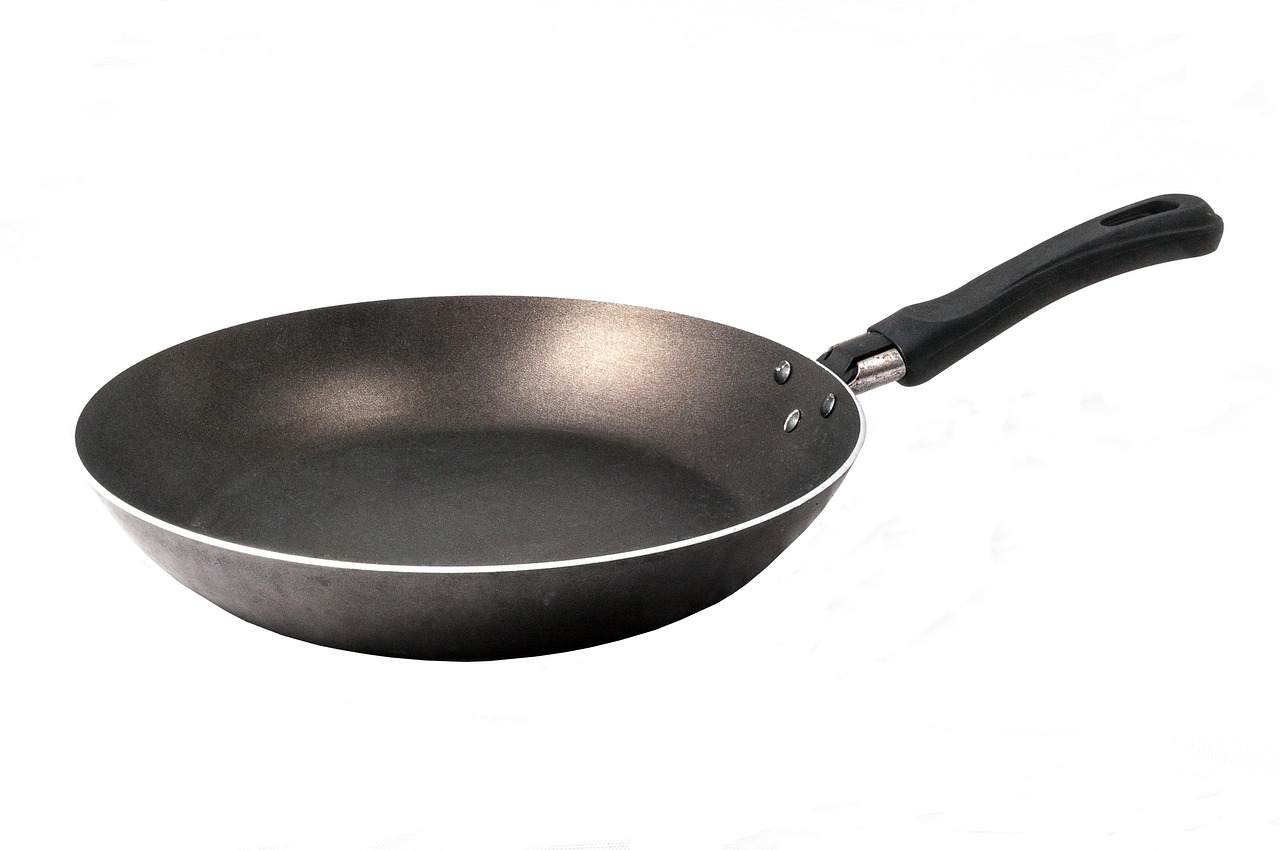
Frying Pan: This term has Germanic/Old English roots. The word “pan” derives from the Old English panna, which referred to a broad, shallow vessel. “Frying” simply refers to the method of cooking food in fat over direct heat.
-
Skillet: This term comes to us from the French. It derives from the Old French word escuelete, which meant a little dish, platter, or pan.
For hundreds of years, depending on where you lived and what your linguistic background was, you used one word or the other to describe a shallow pan with sloped sides and a long handle. In the American South, “skillet” became the dominant term. In the Northeast and the UK, “frying pan” was more common.
The Modern Shift: Material Matters
While the physical shape of the pan hasn’t changed, modern marketing and cultural habits have created an unspoken rule about how we use these words today.
In 2026, the difference isn’t about shape; it is about material.
-
When a brand or a chef says “Frying Pan,” they are almost always referring to a lighter-weight pan made of stainless steel, aluminum, or coated with a nonstick surface (like Teflon or ceramic). These are agile pans meant for tossing, flipping, and rapid temperature changes.
When we talk about cooking, it’s important to know what is the difference between a frying pan and a skillet for proper usage.
-
When a brand or a chef says “Skillet,” they are almost always referring to cast iron (or heavy carbon steel). The word skillet has become culturally synonymous with heavy, thick-walled, rustic cookware that you can pass down to your grandchildren.
So, if a recipe calls for a skillet, they usually want you to use a pan that retains massive amounts of heat for searing. If it calls for a frying pan, they usually want something lighter for sautéing or making eggs.
When you hear a recipe call for a skillet, it might help to consider what is the difference between a frying pan and a skillet.
The Anatomy of the Perfect Pan (Skillet or Frying Pan)
Let’s delve deeper into what is the difference between a frying pan and a skillet regarding their anatomy.
Regardless of what you call it, any piece of cookware bearing this name must have three distinct physical characteristics to differentiate it from other pots and pans:
-
A Flat Bottom: This provides maximum surface area contact with the heat source (whether that is an induction burner, gas flame, or electric coil) for even cooking.
-
Flared or Sloped Sides: This is the defining feature. The sides of a frying pan/skillet angle outward. This design allows steam to escape quickly so food fries rather than boils. It also allows a cook to insert a spatula easily at an angle to flip delicate items like fish or eggs, and facilitates the “chef toss” (the flick of the wrist that flips vegetables in the air).
-
No Lid (Usually): While you can buy aftermarket lids, frying pans and skillets traditionally do not come with lids because they are designed for fast, dry-heat cooking where moisture needs to evaporate.
(Note: If a pan has perfectly straight, 90-degree vertical sides, it is NOT a frying pan or a skillet. It is a sauté pan. Sauté pans are designed for holding liquids and braising, not for flipping.)
Now that we know the terminology, let’s look at the best tools for the job based on the modern material definitions.
Category 1: The Modern Frying Pan (Stainless & Nonstick)
For quick meals, knowing what is the difference between a frying pan and a skillet can save you time.
When you need an agile, highly responsive piece of equipment for morning omelets, delicate seafood, or tossing a quick stir-fry, you are reaching for the modern frying pan.
For the Wade Media Research Group test kitchen, we evaluate these based on thermal conductivity (how fast they heat up and cool down) and ergonomic maneuverability. If you are going to be flicking your wrist to toss mushrooms, you can’t be holding an eight-pound piece of iron.
Here are the top two frying pans you should consider adding to your arsenal.
Top Stainless Frying Pan: All-Clad D3 3-Ply Stainless Steel Fry Pan, 12-Inch

If you want the undisputed gold standard of the culinary industry, the All-Clad D3 is the end of the conversation. It is the definition of a high-performance frying pan.
This all raises the question, what is the difference between a frying pan and a skillet in terms of heat retention?
-
Material: 3-ply bonded construction (Stainless Steel with an Aluminum core).
-
Purchase: Check Current Price on Amazon
The Cookware Scout Review: All-Clad essentially invented the clad cookware category. By sandwiching a highly conductive aluminum core between two layers of indestructible stainless steel, they created a pan that heats evenly all the way up the sloped sides. There are no “hot spots” in this pan. It is brilliant for getting a golden-brown sear on chicken breasts and then using the “fond” (the brown bits stuck to the bottom) to create a flawless pan sauce. Because it is relatively lightweight, it is a joy to handle on the stovetop.
Based on Buyer Reviews:
-
Top 3 Pros:
-
Lifetime Durability: Buyers consistently note that these pans survive decades of daily abuse and still polish up to look brand new with a little Bar Keepers Friend.
-
Even Heat Distribution: Users are thrilled that their food cooks uniformly, regardless of where it is placed in the pan.
-
Oven Safe: It can safely transition from the stovetop to a 600°F oven for finishing dishes or melting cheese.
Understanding what is the difference between a frying pan and a skillet will enhance your cooking experience.
-
-
Top 3 Cons:
-
The Handle: All-Clad uses a deeply grooved, straight handle that many home cooks find uncomfortable or difficult to grip.
-
The Learning Curve: Because there is no nonstick coating, beginners often struggle with food sticking until they learn the proper “water droplet” heat test.
-
Premium Price: It is a major financial investment.
-
Who This Product is For: The serious home chef who wants professional-grade results, loves making pan sauces, and is willing to learn proper temperature control.
Top Nonstick Frying Pan: T-fal Professional Nonstick 12.5 Inch Fry Pan
Next, let’s look at the nonstick frying pan and consider what is the difference between a frying pan and a skillet.
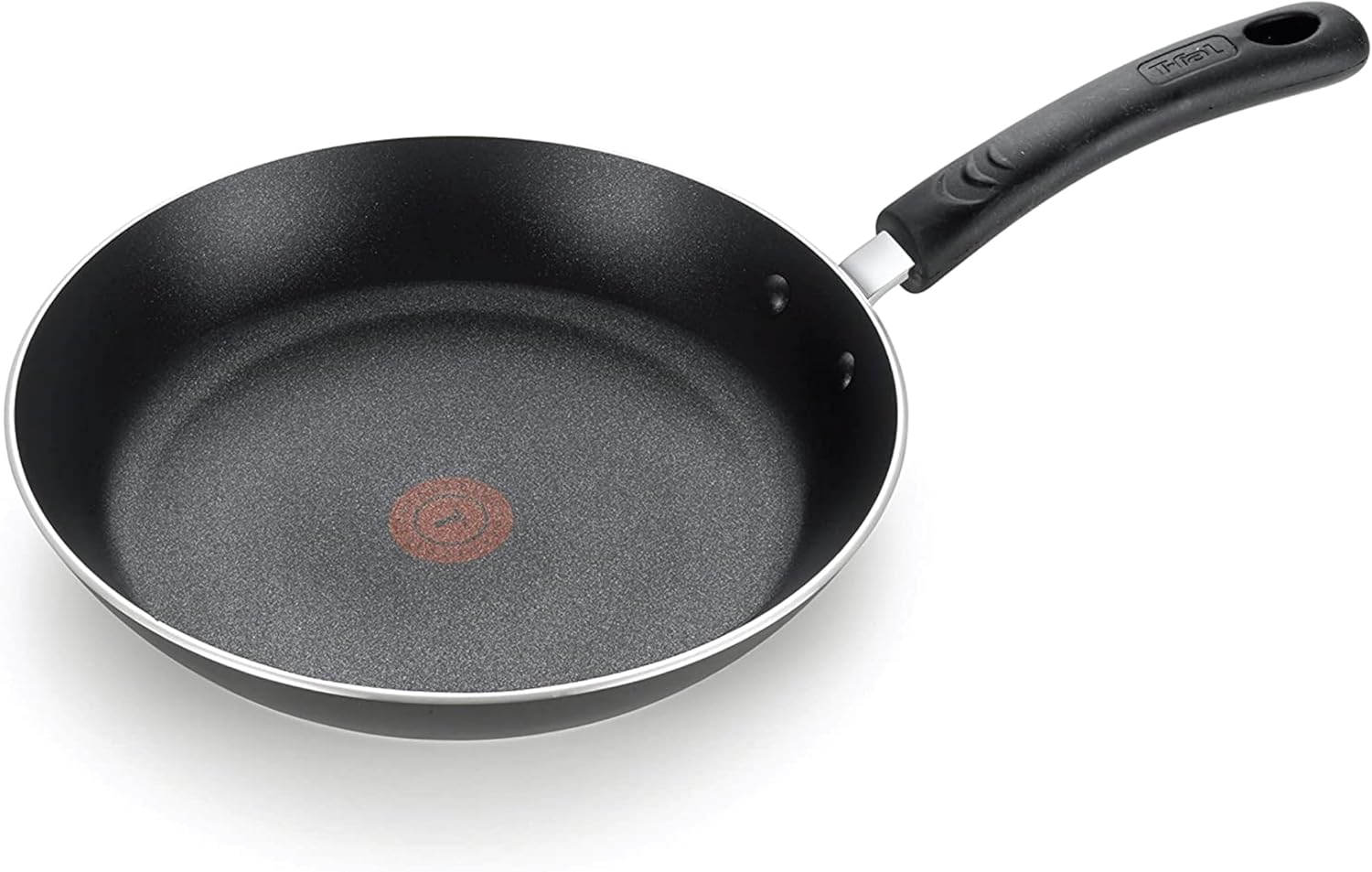
Sometimes, you just want to fry an egg without performing a culinary science experiment. For those moments, a high-quality nonstick frying pan is essential.
-
Material: Hard Anodized Aluminum with Titanium Advanced Nonstick.
-
Purchase: Check Current Price on Amazon
The Cookware Scout Review: T-fal is the brand that brought nonstick to the masses, and their Professional line remains one of the best values on the market. It features the patented Thermo-Spot indicator—a red ring in the center that turns solid when the pan is perfectly preheated. The hard-anodized body resists warping, and the titanium-reinforced coating means your food will slide around like it’s on ice.
Based on Buyer Reviews:
-
Top 3 Pros:
-
Flawless Food Release: Buyers love that absolutely nothing sticks, making it the ultimate morning breakfast pan.
-
Thermo-Spot Technology: The visual heat indicator is praised repeatedly by novice cooks for taking the guesswork out of preheating.
-
Incredible Value: It performs like a pan three times its price.
-
-
Top 3 Cons:
-
Coating Lifespan: Like all PTFE pans, the nonstick surface will eventually degrade and scratch after 2-4 years of use.
-
Center Domed Shape: Some users report the center of the pan raises slightly when hot, causing cooking oil to pool around the outer edges.
-
Utensil Restrictions: You absolutely cannot use metal spatulas, or you will ruin the coating immediately.
-
Who This Product is For: The busy everyday cook who wants a reliable, zero-stress pan for eggs, pancakes, and quick stir-fries with an under-60-second cleanup.
Category 2: The Modern Skillet (Cast Iron & Carbon Steel)
When we shift our vocabulary to “skillet,” we are talking about thermal mass. These are the heavy hitters.
When discussing cookware, it’s crucial to understand what is the difference between a frying pan and a skillet, especially for heavy-duty tasks.
When I rig up the Pathfinder for a multi-day off-grid expedition, I don’t pack delicate stainless steel. I pack a skillet. I need something that can sit over a roaring campfire, absorb a massive amount of heat, and hold that heat when I drop a massive, cold tomahawk ribeye onto the metal.
Skillets are poor conductors of heat (they take a long time to get hot and they heat unevenly), but they are incredible retainers of heat.
The Ultimate Cast Iron Skillet: Lodge 12-Inch Cast Iron Skillet with Silicone Handle

The Lodge skillet is an excellent representation of what is the difference between a frying pan and a skillet when it comes to quality.
If you look up the word “skillet” in the dictionary, there should just be a picture of this pan. Lodge has been pouring iron in South Pittsburg, Tennessee, since 1896, and they have perfected the art.
-
Material: Seasoned Cast Iron.
-
Purchase: Check Current Price on Amazon
The Cookware Scout Review: The Lodge 12-inch is virtually indestructible. It arrives “pre-seasoned,” meaning Lodge has already baked layers of vegetable oil into the iron to create a natural, chemical-free nonstick surface. The more you use it, the better and blacker that seasoning gets. Because of its massive weight and thickness, it provides the most aggressive, restaurant-quality sear on proteins you can achieve at home. It is also the ultimate baking vessel for cornbread and deep-dish pizza.
Based on Buyer Reviews:
-
Top 3 Pros:
-
Searing Power: Reviewers are obsessed with the crust this skillet produces on steaks and smash burgers.
-
Generational Lifespan: Buyers love that this is a “buy it for life” product that cannot be ruined by high heat or metal utensils.
In the kitchen, recognizing what is the difference between a frying pan and a skillet can make a significant difference in your dishes.
-
Price-to-Performance: It is arguably the best bargain in the entire cookware industry.
-
-
Top 3 Cons:
-
Crushing Weight: At nearly 8 pounds, it is very difficult to lift, pour, or maneuver with one hand.
-
Maintenance Requirements: It cannot go in the dishwasher; it must be hand-washed, dried completely, and rubbed with oil to prevent rust.
-
Handle Heat: The iron handle gets just as hot as the pan itself, requiring strict use of the silicone handle cover or heavy mitts.
-
Who This Product is For: The traditionalist, the steak enthusiast, and the outdoor adventurer who wants an unbreakable tool that rewards consistent care.
As we summarize, always remember what is the difference between a frying pan and a skillet when selecting your cookware.
The Chef’s Secret Skillet: Made In Cookware 10-inch Blue Carbon Steel

If you love the concept of a cast iron skillet but hate the wrist-breaking weight, the culinary world has a solution: Carbon Steel.
-
Material: Blue Carbon Steel.
-
Purchase: Check Current Price on Amazon
The Cookware Scout Review: Carbon steel is the workhorse of French restaurant kitchens. It is comprised of 99% iron and 1% carbon. Because it is stamped from sheet metal rather than poured into a mold, it is significantly thinner and lighter than cast iron, while still retaining excellent high-heat capabilities. The Made In skillet is a masterpiece. It requires seasoning just like cast iron, but its smooth surface becomes incredibly slick much faster. It gives you the high-heat searing of a skillet with the maneuverability of a frying pan.
Based on Buyer Reviews:
-
Top 3 Pros:
-
The Perfect Hybrid: Buyers rave that it offers the browning power of iron without the cumbersome weight.
-
Silky Smooth Surface: Unlike modern pebbled cast iron, the smooth steel takes a seasoning beautifully, making it fantastic for sliding eggs.
-
Thermal Responsiveness: It heats up and cools down much faster than cast iron, giving the cook more control over temperature.
-
-
Top 3 Cons:
-
Rust Prone: It is highly susceptible to rust if left wet for even a short period of time.
-
Initial Seasoning Process: It requires a deliberate, sometimes smoky seasoning process before its first use, which intimidates some beginners.
-
Acid Sensitivity: Cooking highly acidic foods (like tomato sauce or vinegar) will strip the hard-earned seasoning off the pan.
-
Who This Product is For: The aspiring gourmet chef who wants high-heat performance but needs a pan light enough to comfortably baste and toss ingredients.
How to Choose: Frying Pan vs. Skillet
In conclusion, always ask yourself, what is the difference between a frying pan and a skillet when you’re cooking?
So, when you are standing in your kitchen, trying to decide which piece of cookware to pull out of the cabinet, how do you choose? Forget the dictionary definition and rely on the modern material rules:
Reach for a Frying Pan (Stainless/Nonstick) when:
-
You are cooking delicate proteins like flaky white fish, scallops, or eggs.
-
You need to change temperatures quickly (e.g., bringing a sauce to a boil and immediately dropping it to a simmer).
-
You plan to do a lot of tossing and flipping with your wrist.
-
You are cooking with acidic ingredients (tomatoes, wine, lemon juice).
Reach for a Skillet (Cast Iron/Carbon Steel) when:
-
You are searing a thick piece of meat (steak, pork chops) and want a dark, crusty Maillard reaction.
-
You are making a dish that starts on the stove and finishes with a long bake in the oven (like a frittata or a cobbler).
-
You are shallow-frying chicken.
-
You are cooking over an unpredictable heat source, like a grill or an open campfire.
The Final Verdict
Let’s put the frying pan vs skillet debate to bed once and for all.
If you are looking at the shape, the slope of the sides, and the flat bottom, a frying pan and a skillet are the exact same culinary tool. The difference exists entirely in our heads, shaped by hundreds of years of linguistic drift and modern marketing.
Ultimately, the question remains: what is the difference between a frying pan and a skillet in your kitchen?
Today, “frying pan” means light and agile. “Skillet” means heavy and rugged.
If you want a highly functional kitchen, you truly need one of each. A T-fal Nonstick Frying Pan will save your mornings from burnt eggs and frustrating cleanups, while a Lodge Cast Iron Skillet will elevate your weekend dinners with steakhouse-quality sears.
Now that you know the answer to what is the difference between a frying pan and a skillet, you can shop smarter.
Equip yourself with the right materials, ignore the confusing terminology in your recipe books, and focus on the food.
In summary, understanding what is the difference between a frying pan and a skillet will help you become a better home cook.